My path wasn't linear
That's probably why I think how I think
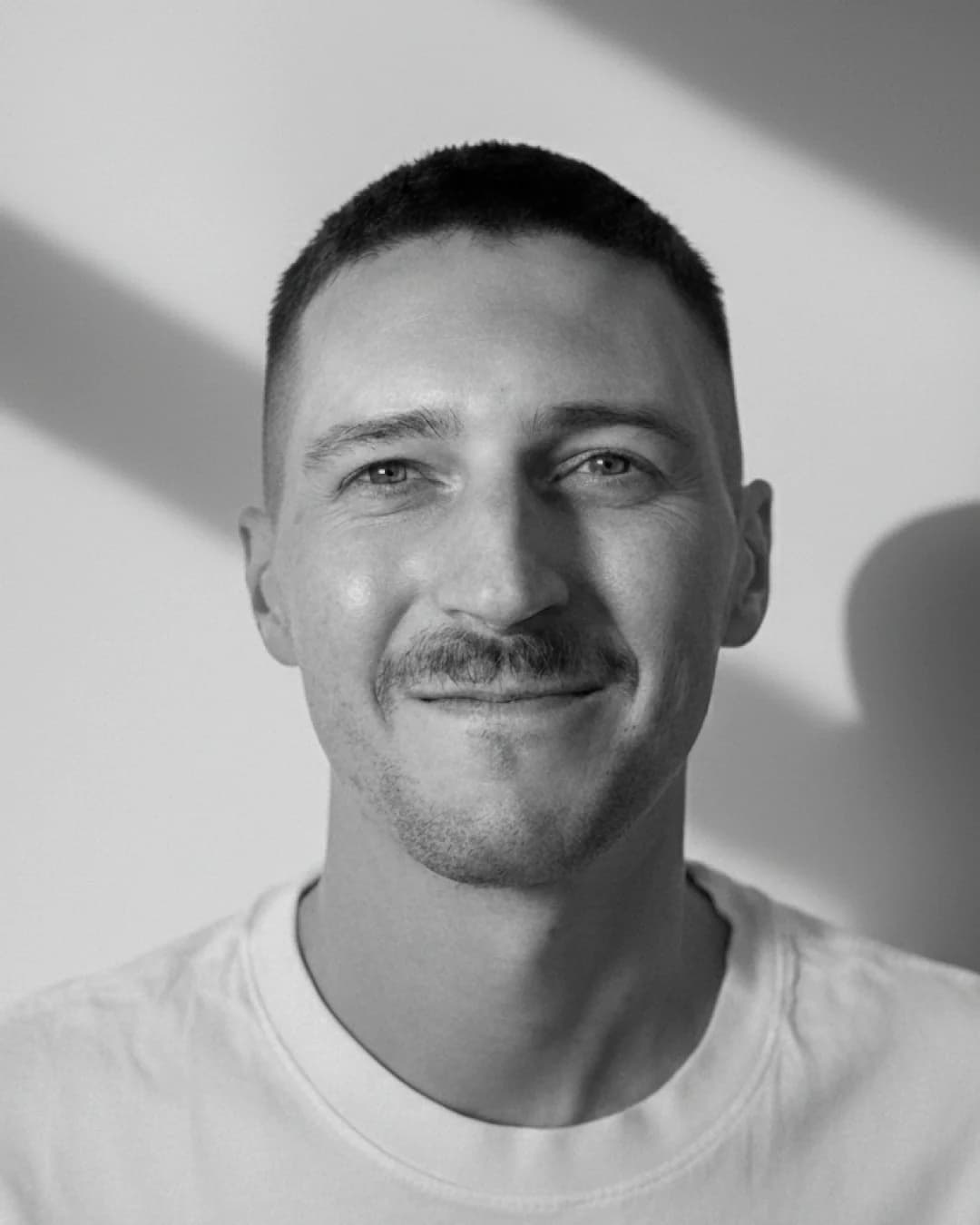
The Technical Foundation
Started with electronics and engineering — how things work at a fundamental level. Not just building circuits, but understanding technology. This gave me the systematic, logical approach I still use for every problem. When I talk to developers or engineers, I speak their language.
The Creative Foundation
Then entertainment design in Los Angeles at the Gnomon School — visual storytelling at its core. Concept art. Visual worlds. Bringing ideas to life before they exist. Hollywood standards for what "good enough" means. This wasn't a detour — it was the foundation for everything visual I do today.
The Design Thinking Training
Industrial design in Austria — physical products, manufacturing constraints, form and function. But more than that: design thinking as a methodology. The relentless question: does this serve the user? A structured approach to problem-solving that I apply to everything, not just physical products.
The Premium Exposure
During my studies, I worked for automotive brands and at design studios — including time at Lamborghini, Audi, and ZAGATO. Not career positions — learning experiences. But enough to absorb what European premium craftsmanship really means. The obsession with surfaces. The refinement. The expectation that every detail matters.
Where It All Came Together
7 years leading marketing, design, and freelance industrial design in parallel — at hofer powertrain, our family's tech company that scaled from startup to 800+ employees across 17 locations.
Three-person marketing team. We built everything in-house: brand systems, web platforms, trade shows, 3D visualization, technical documentation, a full company magazine. I combined all my different design skills into one operation.
But I wasn't just doing design. I was involved in business strategy, M&A discussions, pitch decks, company direction — always approaching these challenges through my design thinking training, which often led to different solutions than traditional business approaches.
How did a tiny team keep up with an international, fast-scaling company? Automation. I built systems because I had to. That necessity taught me more than any course ever could.
Now
This is where all the different backgrounds merge.
Design. Automation. Brand. Strategy. AI. I can help partners in holistic ways — not just one narrow specialty, but thinking from their perspective. Being proactive. Bringing project management skills from years of leading teams. Coming in and helping move things forward, not just waiting for direction.
I build solutions, train teams to own them, and move on. No dependency. No magic.
What sets me apart? I actually build the thing. Design to code. Strategy to implementation. And I'm honest about what I can and can't do.
Design & Creative
- →Visual Storytelling
- →Concept Development
- →Brand Systems
- →User-Centered Design
Strategy & Consulting
- →Design Thinking
- →Business Strategy
- →Process Analysis
- →Digital Transformation
Technology & Automation
- →AI Integration
- →Workflow Automation
- →Systems Architecture
- →Technical Communication
Leadership & Delivery
- →Project Management
- →Team Enablement
- →Cross-Functional Collaboration
- →Full-Stack Implementation
Build, don't just advise.
Have an Idea?Let's Build It!
Tell me about your project — I'll share my perspective and we'll figure out the best approach together.